A Practical Review of "Don't Make Me Use My Teacher Tone"
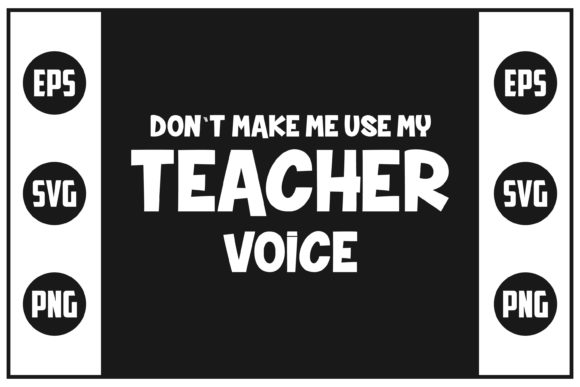
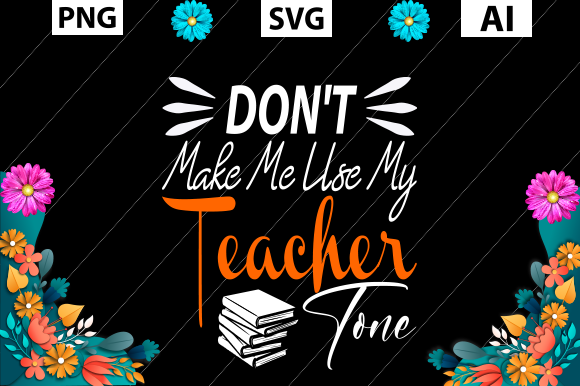
As a designer who stitches for clients and my own shop, I see a lot of embroidery files. When "Don't Make Me Use My Teacher Tone" came across my screen, my first thought wasn't about specs—it was about personality. This design has an immediate, relatable mood. It’s playful yet authoritative, with a font style that feels both classic and a little cheeky. The layout is straightforward, centered on the message itself, which makes it a strong candidate for a clean, readable embroidered product.
Where This Design Naturally Belongs
The theme is unmistakably educator-focused, but its appeal is wider. It’s for anyone who has a teacher in their life, wants to celebrate them, or even for teachers themselves wanting a lighthearted item. In my studio, I immediately pictured it on a soft, high-quality sweatshirt for a Teacher's Day gift. It also felt right for a canvas tote bag—something practical a teacher could use daily. The design’s clarity means it would translate well to an embroidered patch, perfect for a backpack or a denim jacket. For baby items, like a little onesie for a teacher’s new baby, it would need careful scaling, but the sentiment would be wonderfully personal.
Visual Appeal and Customer Reaction in Real Projects
Stitching this design creates a product with instant recognition and a smile. The text is the hero, so stitching clarity is paramount. On a dark fabric like navy or black, using a bright, contrasting thread color—a crisp white or a vibrant yellow—would make it pop and feel professional. On a light background, a richer color like navy blue or burgundy could add weight. I’ve found that designs with this kind of straightforward, personality-driven text engage buyers quickly. It feels handmade and thoughtful, which boosts the perceived value for a custom apparel item or a personalized gift.
Considering the Stitching Scenario
In practical embroidery situations, this design’s success hinges on preparation. For a sweatshirt or t-shirt, a good stabilizer is non-negotiable to prevent puckering, especially with the potential stitch density in the lettering. On textured fabrics like a knit cap, you’d need to ensure the satin stitches or fill stitches for the letters don’t get lost in the weave. A curved surface like a cap requires careful hooping and perhaps testing the design placement in a smaller hoop size first.
Where you should proceed with caution are very small applications. Embroidering this on a tiny corner of a kitchen towel might compromise the readability of the smaller lettering details. Similarly, on very thin or stretchy fabric, the integrity of the design could be challenged without the right stabilizer and stitch settings. Always test on scrap fabric first.
Notes for the Craft Business and Commercial Use
For craft business owners, Etsy sellers, and apparel decorators, this design is a solid asset for holiday gifts, boutique merchandise, or craft fair products. Its strong, single-minded message makes it easy to present in printable mockups and digital product previews. To ensure professionalism, I always advise checking the design file on both light and dark backgrounds in your software, and confirming the licensing terms before selling any finished product or using it in commercial embroidery projects. Does it allow for finished item sales? Is it clear for personal and business family use? The product description suggests it's intended for such purposes, but verification is a key step.
Maximizing the Design for Your Project
To make "Don't Make Me Use My Teacher Tone" shine on your finished product, think about the end user. A teacher receiving an embroidered pillow cover or an apron with this design would appreciate the durable, quality stitch work. For a baby embroidery item, consider pairing it with a simpler, complementary graphic to soften the layout. When planning thread colors, think about brand consistency if you're a small shop—could this design work in your signature color palette?
Ultimately, this embroidery file offers a great blend of humor and heart. It’s a graphics file that, with thoughtful execution, turns into a tangible product that feels both custom and universally understandable. Its value lies in that transformation from a digital embroidery file to a real-world object that sparks a connection—the goal of any handmade project.