School Supply Embroidery Designs for Teachers & Makers
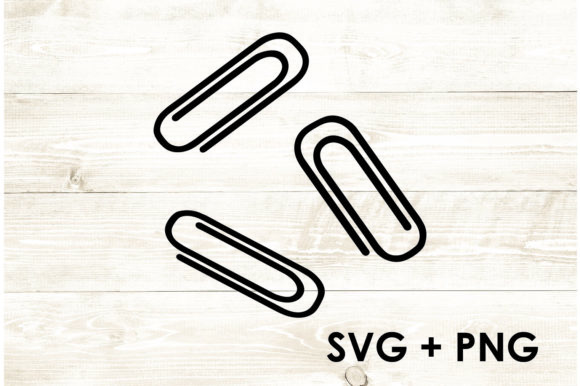
When a digital embroidery file lands on my screen, my first job isn’t just to admire it. It’s to picture it stitched into real fabric—on a tote bag heading to a craft fair, a sweatshirt for a boutique, or a pillow cover for a client’s gift. Today, I’m looking at Paper Clips - School Supplies - Teacher. The name alone sets a clear scene: a classic, nostalgic school theme. This isn’t a complex, abstract pattern; it’s a straightforward, recognizable graphic that feels friendly and useful.
The Immediate Mood: Simple, Sentimental, and Perfectly Practical
The first impression is one of clean, uncomplicated charm. School supplies, especially a paper clip motif, carry a subtle emotional weight—they evoke memory, organization, and the start of a fresh project. For an embroidery design, that’s a strong starting point. This theme creates a mood that’s both professional and warmly personal. The visual personality leans toward the crisp and tidy, which tells me it’s likely a design that will translate well into clear stitching. It feels like it belongs naturally on items for educators, students, or anyone who loves a touch of academic nostalgia.
In my mind, I immediately place it on a custom embroidered tote bag for a teacher’s back-to-school gift. It’s not overly loud or childish; it’s a smart, appreciative emblem. For a craft business or Etsy seller, this is a key point: designs with clear, sentimental appeal often become reliable bestsellers because customers instantly understand and connect with them.
Where Paper Clips - School Supplies - Teacher Excels in Real Projects
Let’s walk through where this embroidery file would shine. Given its likely clean lines and moderate detail level, it’s a versatile candidate.
Custom Apparel & Everyday Wear: Think of a simple satin stitch outline on a cotton tee or a fill stitch version on a sweatshirt pocket. It’s a graphic that wouldn’t overwhelm the garment. It would feel intentional and tasteful.
Tote Bags & Kitchen Towels: For functional items, clarity is king. This theme would stitch up cleanly on a canvas tote or a linen tea towel, adding a personalized, handmade touch that elevates a basic item into a thoughtful product.
Baby Items & Nursery Decor: A smaller, simplified version could work sweetly on a baby blanket corner or a pillow cover—a nod to learning and growth without being too theme-heavy.
Embroidered Patches & Caps: If the design is adaptable, a paper clip motif could become a great patch for a backpack or a crisp accent on a cap. The shape is generally geometric, which often handles curves well.
Holiday & Personalized Gifts: Teacher appreciation gifts, end-of-year presents, or even wedding gifts for an educator couple. This design has inherent giftability because it speaks directly to a person’s role or passion.
Small Shop Merchandise & Boutique Branding: For a shop selling handmade goods, a cohesive line of school-themed items—aprons, pillow covers, aprons—could be built around such a graphic. It supports brand consistency when the theme is clear and well-executed.
In all these cases, the professional presentation of the finished product matters. A clean, well-stitched Paper Clips - School Supplies - Teacher design adds perceived value. It shows care and skill, which builds customer trust and engagement. A buyer isn’t just seeing a generic image; they’re seeing a crafted interpretation of a familiar idea.
Points for Careful Consideration Before Hooping
No design is universally perfect for every scenario. Here’s where a practical designer would pause and plan.
Small Details & Tiny Lettering: If the design includes very small text or intricate paper clip details, stitch density and thread choice become critical. On textured fabrics like some sweatshirt materials, tiny elements can get lost.
Dark Fabric Backgrounds: A design with many open spaces or fine lines might need a bold thread color contrast on dark fabrics. Always test on scrap material first.
Stretchy or Thin Fabrics: For t-shirts or baby clothes, stabilizer choice is paramount to prevent puckering, especially if any area of the design has dense fill stitches.
Curved Surfaces Like Caps: While the shape seems promising, always check how the design’s layout adapts to a curved template. Sometimes, long horizontal elements can distort.
Products Requiring Frequent Washing: For kitchen towels or everyday apparel, consider how a running stitch outline versus a satin stitch will hold up over time. Simpler stitch structures often endure better.
The key is to not assume. The product description notes it’s easy for beginners and premium quality, which suggests it’s well-built, but the real test is on your machine and your chosen fabric.
Essential Designer Notes Before You Stitch
Before committing this to a client project or your shop inventory, run through this quick checklist:
- Always test on scrap fabric first. Use the same material and stabilizer you plan for the final product.
- Check thread color contrast. View the design in a black-and-white mockup to see if the values hold up without color.
- Review the stitch density in your software. Look for any overly dense areas that might be tough on thin fabrics.
- Confirm your hoop size. Ensure the design’s dimensions fit comfortably within your available hoop.
- Inspect small details. Zoom in on the file to see if any corners or connections are too fine for your preferred thread weight.
- Use proper stabilizer. Match it to your fabric type—this is non-negotiable for professional results.
- Check licensing for your use. The description mentions SVG and PNG files for Cricut and other machines. If you intend to sell the finished embroidered product or use it commercially, verify the license terms explicitly. Never assume.
The Final Verdict: A Design Built for Real-World Use
Paper Clips - School Supplies - Teacher strikes me as a design with a clear purpose. It’s not trying to be everything; it’s aiming to be a reliable, appealing graphic for a specific niche. That’s a strength. For embroidery designers, small business owners, and makers, that means less time spent adapting and more time spent producing.
Its value lies in its recognizability and sentimental hook. In a crowded market, designs that instantly communicate a feeling—like appreciation, nostalgia, or identity—often stand out. When stitched well on a quality item, it transforms a simple graphic into a meaningful handmade product.
My advice? If your project list includes teacher gifts, school-themed merchandise, or clean, graphic-driven home decor, this design is a solid candidate. Approach it with a practical eye: test it, respect the fabric, and choose your application wisely. Done right, it will look crisp, engaging, and professionally crafted—exactly what your customers and clients hope to see.