Teacher Definition Embroidery Design: A Designer's Real-World Review
When a new embroidery file lands on my desktop, my first thought isn't about the file formats—it’s about the story it will stitch. Today, that story is Teacher Definition. I’m looking at it not as a product listing, but as a working designer deciding if this is the right asset for a client’s custom tote bag or my own shop’s holiday gift line. Let’s get practical.
The Immediate Mood: Classic, Clear, and Heartfelt
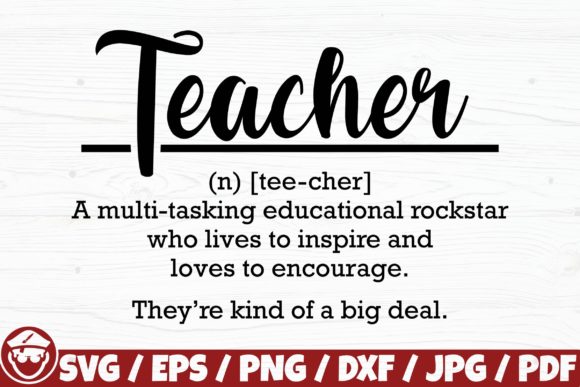
The first impression of Teacher Definition is one of clean, thoughtful recognition. It’s not overly ornate or playful; it carries a classic, almost respectful tone. The layout feels balanced, with the central term “Teacher” given prominence. This visual personality suggests a design meant for genuine appreciation, not just decoration. It naturally belongs to projects where the message is the main gift: a personalized pillow cover for a retiring educator, an apron for a favorite mentor, or a simple, elegant patch for a denim jacket. The mood is heartfelt and professional, which is a solid starting point.
Where This Design Thrives in Real Projects
In my work, I’m constantly matching designs to products and audiences. For Teacher Definition, several real-life embroidery situations stand out.
Custom apparel like sweatshirts and t-shirts are a natural fit, especially for school events or family gifts. The design’s clarity would stitch well on a polo shirt for a coach. For handmade products, consider a tote bag for a teacher’s daily carry—the message is functional and meaningful. In baby clothes or nursery decor, it could be sweetly embroidered on a blanket for a teacher’s new baby, making a personal connection.
For small business merchandise, this is a ready-made asset for Etsy sellers or craft fair products targeting the educator community. It could be the centerpiece on a tea towel, a cap, or a simple pillow. As a boutique branding element, a shop specializing in gratitude gifts could use this across a product line for consistency. It also works beautifully for printable mockups and digital product previews, allowing sellers to showcase the finished product quickly.
The Caution Zone: Handling Details with Care
No design is universal, and a professional review means spotting where extra attention is needed. With Teacher Definition, the detail level and any smaller textual elements require careful planning.
On very small hoop sizes, the definition text might lose stitching clarity if it’s too fine. I’d avoid tiny lettering on textured fabrics like linen or on stretchy fabric without perfect stabilizer. Dark fabric backgrounds are fine, but thread color contrast becomes critical—a test stitch on scrap material is non-negotiable here.
On curved surfaces like caps, the design’s shape needs to be assessed for distortion. If there are dense stitch areas or intricate decorative accents, they could pucker on thin fabric. For products needing frequent washing, like kitchen towels, a robust fill stitch and proper stabilization will ensure longevity. Always inspect those corners and details before committing to a final garment.
How This Design Elevates Your Finished Product
Beyond the stitch, a design impacts perception. Teacher Definition, when executed well, boosts visual appeal through its straightforward, legible composition. Stitching clarity translates directly to product value and customer trust—a clean, professional embroidery job looks handmade with care, not homemade.
For brand consistency, a maker focusing on educator appreciation gifts could build a whole line around this theme. Its giftability is high; it feels like a specific, considered purchase. The recognition factor is immediate, which aids buyer engagement in an Etsy listing or small shop display. It supports a professional presentation because it avoids being overly casual or garish.
Practical Notes from the Embroidery Desk
Before you load this machine embroidery design, here’s my routine checklist from years of trial and error.
- Test First: Always run this embroidery file on scrap fabric of the same weight and texture as your final project. Check stitch density and any potential thread breaks in small details.
- Color and Contrast: Review your thread palette. Does it pop on both light and dark fabric backgrounds? Test it in black and white mockups to judge contrast alone.
- Hoop and Stabilizer: Confirm your intended hoop size can accommodate the design cleanly. Use the proper stabilizer for your fabric; this is key for clarity.
- Commercial Use: Since the product includes multiple file types like SVG, DXF, PDF, PNG, JPG, and EPS, it’s versatile for digital use. However, always confirm the specific licensing terms before selling finished items or commercial embroidery projects. The description notes it works with Silhouette Studio and Cricut, but the license for physical product sales must be clear.
- Context Matters: Ask yourself: Is this for a personal gift or a small shop product? The answer changes how you approach material choices and quality control.
In the end, Teacher Definition stands as a useful graphics asset in the Crafts category. Its strength is its focused theme and clean layout, which reduces production guesswork. For embroidery designers and makers looking for a design that speaks clearly of gratitude and respect, this one passes the practical test. It won’t do the work for you—your skill and preparation still determine the final outcome—but it provides a solid, reliable foundation for a beautiful finished product.