The Seventh Grade Teacher Half Leopard: A Designer's Honest Review
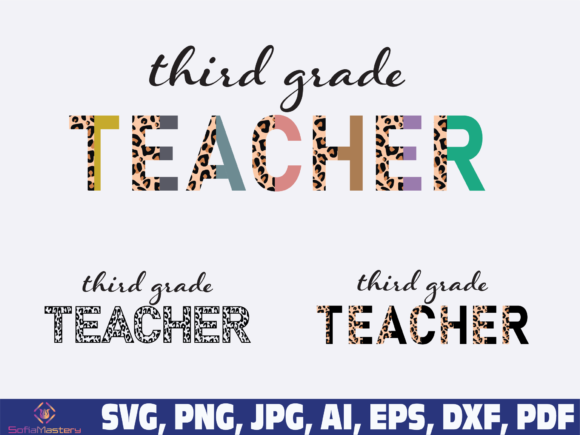
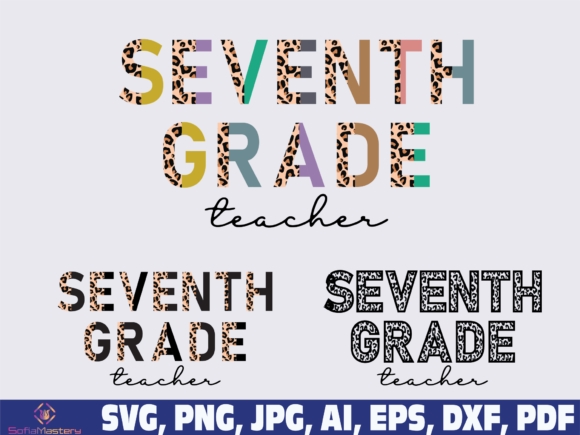
When you download an embroidery design, you’re not just getting a file—you’re investing a piece of your time, thread, and creative reputation into it. So before I loaded Seventh Grade Teacher Half Leopard into my software, I spent a good while looking at it as a whole piece, imagining it stitched out. My first impression? It’s playful with a serious edge. The half-leopard motif isn’t just a cute animal graphic; it’s paired with a title that carries weight, creating a fun, slightly rebellious mood perfect for a teacher who’s both nurturing and strong. The layout feels balanced, with the text integrated as a core part of the graphic rather than just a label slapped underneath. This isn’t a generic “teacher” design. It has a specific personality.
Where This Design Finds Its True Home
I immediately pictured this on a custom tote bag. A teacher carrying her supplies in a bag with this emblem feels right—it’s personal, a statement of identity, and durable enough for daily use. But my mind didn’t stop there. For small business owners or Etsy sellers creating personalized gifts, this design shines on a cozy fleece blanket for a retiring educator, or embroidered onto the corner of a high-quality apron for a classroom volunteer. The “Seventh Grade” specificity is a goldmine for personalized products; it moves beyond generic and into the realm of a meaningful, recognized gift.
Considering apparel, a left-chest placement on a polo shirt or sweatshirt for a school team feels professional yet unique. For baby items—think a little onesie for a teacher’s new baby—the playful leopard element keeps it sweet and approachable. As a patch, it could be fantastic, offering a way to customize a backpack or a denim jacket. The design’s composition, with its mix of graphical element and text, means it holds visual interest even at moderately small sizes, making it versatile across products.
The Real-World Embroidery Test: Where to Use It, and Where to Be Careful
Let’s talk about the stitch-out. The included file formats—SVG, DXF, PNG, PDF, AI, JPG, EPS—mean you have flexibility for both digital mockups and machine embroidery file conversion. This is crucial for crafters and apparel decorators who need to preview the design on product photos or integrate it into other graphics. But the real test is on the fabric.
On a standard cotton tote or a mid-weight sweatshirt, this design should perform well. The detail in the leopard’s face and the text will benefit from a good fill stitch and clean satin stitches for outlines, provided the stitch density is appropriate. However, here’s my practical designer advice: test it on scrap fabric first. Always. Check the small details, like the spaces between the letters and the finer lines in the leopard’s features. On very textured fabrics like certain knits, or on thin, stretchy fabrics without proper stabilizer, those details could get lost or distort. On dark fabric backgrounds, thread color contrast is paramount—you might need to adjust your palette to ensure the design pops.
Be particularly mindful when embroidering on curved surfaces like caps. The layout’s width and the text length need to fit the curvature without awkward compression. For products that need frequent washing, like kitchen towels or baby clothes, ensure your stitch structure is secure and your threads are colorfast to maintain that handmade presentation and customer trust over time.
How This Design Elevates Your Product’s Value
From a commercial perspective, Seventh Grade Teacher Half Leopard isn’t just a graphic; it’s a design asset. For the creative entrepreneur, it adds a layer of specificity that increases perceived value. A customer isn’t buying a random teacher item; they’re buying a seventh grade teacher item. That recognition deepens buyer engagement. For your craft business or boutique branding, using a design with this clear thematic strength contributes to brand consistency if you specialize in educator or personalized niche products.
The visual appeal, when stitched cleanly, speaks to professionalism. It tells your client or gift recipient that thought went into the selection—it’s not mass-produced. This directly impacts giftability and the likelihood of a product becoming a cherished item. In your Etsy listings or craft fair displays, a well-executed embroidery of this design, shown in quality mockups or on actual finished products, tells a story. It shows you understand your audience.
A Few Essential Notes Before You Hoop It Up
My final thoughts as a reviewer are these practical embroidery designer notes. Please, confirm the licensing terms of this design before selling any finished items or digital products derived from it. The product type is listed as Graphics, so clarity on commercial use is essential.
- Use proper stabilizer for your chosen fabric to preserve clarity.
- Check thread color contrast. I recommend testing the design in both black and white digital mockups to see how it translates to light and dark backgrounds.
- Review the stitch density in your embroidery software before running the machine. Dense areas in the leopard graphic could affect how it lays on softer fabrics.
- Confirm the hoop size needed. While the product description doesn’t specify an exact count, you need to ensure your machine and hoop can accommodate the design’s dimensions for a clean stitch-out.
- Remember, this design’s strength is its theme. It works beautifully for both personal projects and, with proper licensing, commercial embroidery projects like small shop merchandise. But its best use is where that “seventh grade” specificity is celebrated.
In the end, Seventh Grade Teacher Half Leopard is more than a crafts graphic. It’s a conversation starter stitched into fabric. It has the potential to turn a simple tote bag, sweatshirt, or pillow cover into a piece of identity. Approach it with the practical care of an experienced maker—test, plan, and stitch with intention—and it will reward you with a finished product that feels both fun and meaningfully crafted.